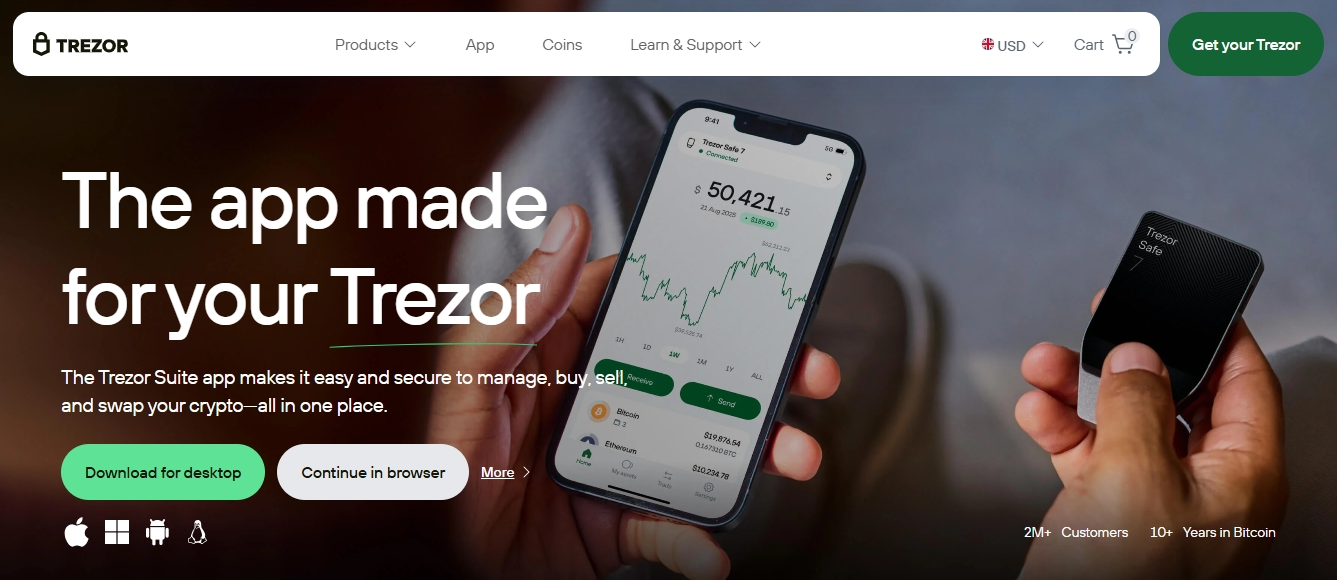
Cryptocurrency wallets are essential tools for managing and securing your digital assets. Among the most trusted and widely used hardware wallets is Trezor, a device designed to provide maximum security for your crypto holdings. However, understanding how to properly log in to your Trezor wallet is crucial for both safety and convenience. This guide will walk you through everything you need to know about Trezor login, including setup, access methods, troubleshooting, and security best practices.
Trezor is a hardware cryptocurrency wallet that allows users to store, send, and receive cryptocurrencies offline. Unlike software wallets or exchanges that keep your private keys online, Trezor stores them securely on a physical device. This significantly reduces the risk of hacks and unauthorized access.
There are two main models: Trezor One and Trezor Model T, each offering a slightly different interface and features. Despite the differences, both require a secure login process to access your funds.
Your Trezor login is not just a way to access your wallet; it’s the first line of defense for your assets. Logging in involves using your PIN code and, if set up, passphrase, which ensures that even if your device is lost or stolen, your crypto remains protected. A proper login procedure helps you:
Failing to follow the correct login process could expose you to phishing attempts or other security risks.
Before you can log in, you need to have your Trezor device set up correctly. The setup process ensures that your wallet is initialized securely. Here’s a brief overview:
Once setup is complete, you are ready to log in and start managing your crypto.
Logging into Trezor requires a combination of your physical device and your PIN code. Here’s a step-by-step guide:
Start by launching Trezor Suite or a compatible wallet app (like Exodus or Electrum). Always ensure you are using the official app to avoid phishing scams.
Plug your Trezor hardware wallet into your computer or mobile device. The device will power on and display a prompt asking you to enter your PIN.
Use the Trezor device screen to enter your PIN. The device generates a scrambled keypad on the screen, which prevents malware from tracking your keystrokes. Carefully tap the corresponding numbers on your computer screen based on the device display.
If you set up a passphrase during the initial setup, enter it now. The passphrase adds an extra layer of security and can even create “hidden wallets” that are only accessible with the correct passphrase.
Once your PIN and passphrase are verified, you gain access to your wallet. You can now view balances, send or receive cryptocurrency, and manage your accounts.
Logging in safely is as important as the wallet itself. Here are some essential security tips:
Following these steps significantly reduces the risk of theft or unauthorized access.
Even with proper precautions, users sometimes encounter login problems. Here are common issues and solutions:
Trezor isn’t limited to the Trezor Suite. You can log in and manage your wallet through other apps like:
When connecting Trezor to third-party apps, the login process may slightly differ but still requires your PIN and passphrase.
Compared to online wallets or exchanges, Trezor login offers superior security:
This combination of features makes Trezor one of the safest ways to manage crypto.
To ensure seamless access and strong security:
By following these practices, your Trezor wallet remains both convenient and secure.
Logging into your Trezor wallet may seem straightforward, but it is a critical process that protects your digital assets. From understanding the initial setup to following the correct login steps, using a strong PIN and passphrase, and staying alert to potential security threats, proper Trezor login practices ensure your cryptocurrency remains safe.
Whether you are a beginner or an experienced crypto investor, mastering Trezor login is essential for both convenience and security. By combining secure login habits with the robust features of Trezor, you can confidently manage your crypto portfolio with peace of mind.